




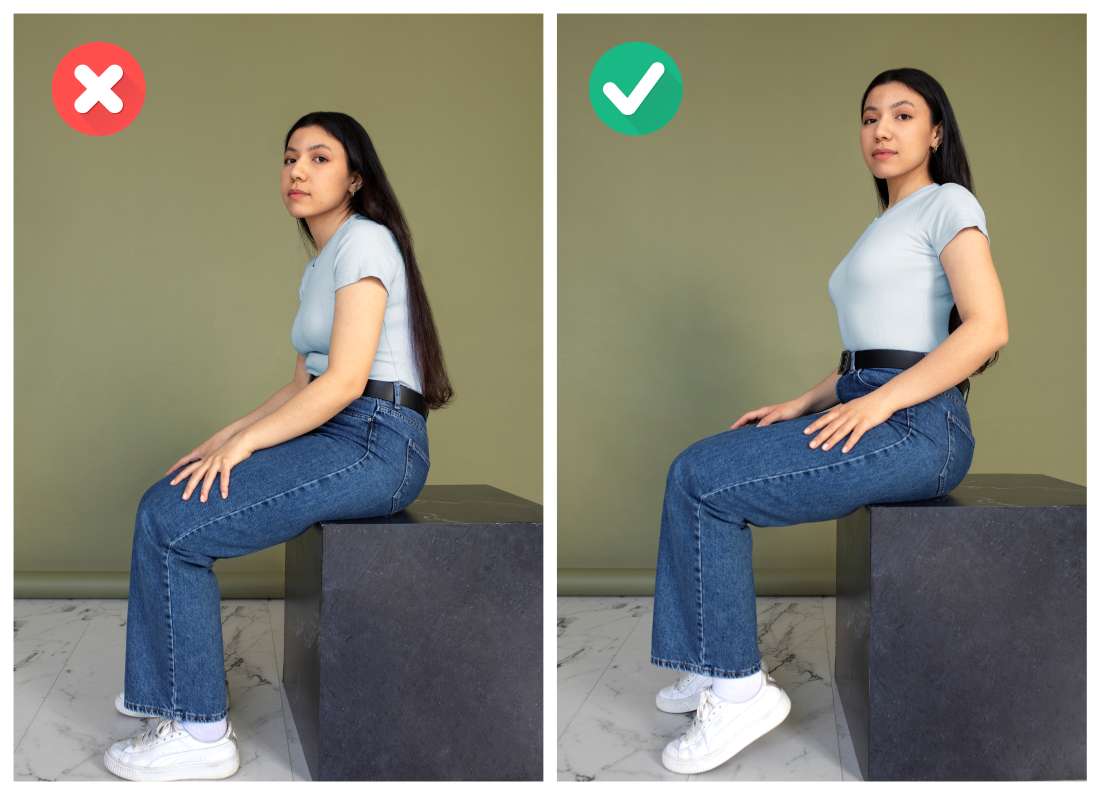
Posture Correction Guide: Fix Your Sitting Habits in 7 Days
Bad posture doesn’t develop overnight and the good news is, you don’t need months to start fixing it either. With the right approach and a few consistent changes, you can begin improving your sitting posture in just 7 days. If needed, consulting a physiotherapist can further speed up your progress.
This guide is simple, practical, and designed for people who spend long hours sitting at a desk.
Why Your Sitting Posture Matters
Your sitting posture affects more than just how you look. It directly impacts how your body feels and functions throughout the day. Poor posture puts unnecessary strain on your spine and surrounding muscles, which often leads to neck pain, back discomfort, fatigue, and even reduced focus.
In many cases, physiotherapy can help address posture-related pain and correct imbalances effectively.
On the other hand, good posture helps you breathe better, feel more energetic, and avoid long-term physical issues.
The 7-Day Posture Correction Plan
Day 1: Build Awareness
The first step is simply noticing how you sit. Most people slouch without realizing it. Throughout the day, check in with your body. Are your shoulders rounded? Is your head leaning forward? Setting reminders every 30 to 45 minutes can help you stay aware.
The goal here isn’t to fix everything instantly it’s to understand your current habits.
Day 2: Improve Your Workspace
Your setup plays a huge role in your posture. If your screen is too low or your chair doesn’t support your back, you’ll naturally fall into poor positions.
Start by adjusting your screen so it’s at eye level and about an arm’s length away. Keep your feet flat on the ground and your knees at a comfortable angle. Your lower back should feel supported, not strained.
Day 3: Practice a Neutral Sitting Position
Now that your setup is better, focus on how you sit. A neutral posture means sitting upright without being stiff. Your back should be straight but relaxed, shoulders gently pulled back, and your chin slightly tucked instead of pushed forward.
Think of it as balanced rather than forced.
Day 4: Add Regular Movement
Even perfect posture can’t protect you if you sit for too long. The body needs movement to stay healthy.
Make it a habit to stand up every 30 to 40 minutes. Walk around, stretch lightly, or simply change your position. These small breaks reduce stiffness and help your muscles reset.
Day 5: Strengthen Supporting Muscles
Posture isn’t just about sitting correctly it’s also about having the strength to maintain that position.
Focus on simple exercises that target your upper back, core, and neck. Movements like shoulder blade squeezes, chin tucks, and wall-supported arm raises can make a noticeable difference when done consistently.
Day 6: Release Muscle Tightness
Tight muscles often pull your body out of alignment. This is especially common in the chest, neck, and hips.
Spend a few minutes stretching these areas daily. Gentle stretches can relieve tension, improve flexibility, and allow your body to return to a more natural posture.
Day 7: Make It a Habit
By now, you’ve learned the basics of posture correction. The final step is turning these actions into a routine.
A few minutes of daily stretching and strengthening, combined with regular posture checks and movement breaks, can help you maintain good posture long-term. The key is consistency, not perfection.
Common Mistakes to Avoid
Many people try to sit “perfectly straight” all the time, which actually creates tension. Others stay seated for hours without breaks or rely too much on posture corrector devices without building strength.
The goal isn’t to stay in one rigid position it’s to stay active and aware of your body.
Final Thoughts
Improving your posture doesn’t require drastic changes. Small adjustments, done consistently, can lead to noticeable results within a week. More importantly, these changes set the foundation for long-term comfort and spinal health.
Remember, the best posture is one that keeps changing. Movement is just as important as alignment.
FAQs
- Can posture really improve in 7 days?
You may not completely fix it in a week, but you’ll definitely notice better awareness and reduced discomfort.
- What’s the biggest cause of poor sitting posture?
Long hours of sitting combined with poor workspace setup and lack of movement.
- Should I sit straight all the time?
No. Sitting too rigidly can cause tension. Aim for a relaxed, aligned posture and change positions often.
- Are exercises necessary for posture correction?
Yes. Without strengthening the right muscles, it’s difficult to maintain good posture.
- How long should I sit before taking a break?
Ideally, you should move or stand every 30 to 40 minutes.